Teddy Bear Font: A Playful Typeface for Digital Branding and Web Design
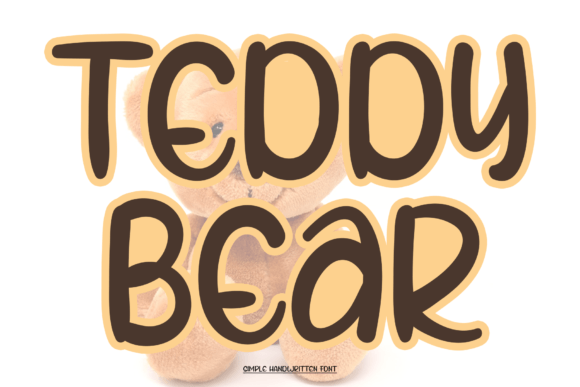
As a web designer, choosing the right typeface can define a brand's personality and influence how users interact with a site. Teddy Bear is a whimsical, hand-drawn script font that brings charm and approachability to digital spaces. Unlike sterile, overused sans serif fonts, Teddy Bear adds a touch of warmth that resonates with audiences looking for authenticity and creativity.
This font works exceptionally well in projects that require a friendly tone—think boutique shops, coaching websites, children’s content, or creative portfolios. Its rounded, flowing letters create a visual rhythm that guides users through a layout while maintaining readability at key sizes. Whether used in a hero header or a product banner, Teddy Bear helps establish a distinct brand voice without sacrificing usability.
How Teddy Bear Enhances Web Design and User Experience
In digital design, typography affects more than aesthetics—it impacts readability, scanning behavior, and conversion rates. Teddy Bear strikes a balance between decorative appeal and legibility, making it ideal for short-form text such as headlines, call-to-action buttons, and logo treatments.
When used in website headers or hero sections, Teddy Bear draws attention without overwhelming the layout. Its soft curves and open spacing ensure that even on mobile screens, text remains clear and engaging. For landing pages or course sales pages, this font adds a personal touch that supports storytelling and brand trust.
On darker backgrounds or image overlays, Teddy Bear maintains contrast and clarity, especially when paired with a clean sans serif for supporting text. This contrast helps establish visual hierarchy, guiding users from a bold title to a clear subheading or button action.
Best Use Cases for Teddy Bear in Digital Projects
Teddy Bear shines in brand-focused web experiences where tone and personality matter. Here are some practical applications:
- Portfolio websites: Use Teddy Bear for your name or tagline to create a memorable first impression.
- Boutique online stores: Apply it in banners or product titles to evoke a sense of warmth and craftsmanship.
- Coaching or wellness websites: Enhance testimonials or service headings with a font that feels personal and inviting.
- Blog headers: Add visual interest to article titles without compromising readability.
- Digital ads and banners: Stand out in social media graphics or promotional content with a unique, handcrafted look.
Because of its decorative nature, Teddy Bear works best at medium to large sizes. It’s not recommended for long paragraphs or small UI elements like form labels or navigation menus. Instead, pair it with a clean, modern sans serif or serif font for body copy to create a cohesive and professional layout.
Pairing Teddy Bear with Supporting Fonts
Font pairing is essential in web design to maintain visual harmony and readability. Since Teddy Bear is a script font with a playful character, it pairs well with minimalist sans serif or serif typefaces that provide contrast and structure.
For example, using Teddy Bear for a hero title and a neutral sans serif like Montserrat or Open Sans for supporting text creates a balanced layout. If you're designing a more editorial-style page, pairing it with a serif font like Merriweather or Playfair Display can add sophistication while keeping the tone light and engaging.
Always test font combinations at different sizes and weights to ensure legibility across devices. In responsive design, consider reducing the font size of Teddy Bear on mobile views or switching to a simpler heading style for small buttons or narrow columns.
Technical Considerations for Using Teddy Bear on the Web
When integrating Teddy Bear into a website or digital product, it’s important to check the available styles, weights, and file formats. Most modern fonts include webfont versions in WOFF or WOFF2 formats, which are optimized for performance and compatibility.
Review the character set to ensure multilingual support if your site targets international audiences. Some script fonts may lack certain glyphs or special characters, which can affect usability in forms or dynamic content sections.
If the font includes alternates or ligatures, use them selectively to enhance visual appeal without confusing readers. For example, enabling stylistic alternates in logo text or hero headers can make your design feel more handcrafted and unique.
Licensing and Usage for Commercial Web Projects
When working with premium fonts like Teddy Bear, always verify the licensing terms before deployment. Most font licenses allow use in websites, client projects, online stores, and digital templates, but restrictions can vary by vendor.
For client work or SaaS platforms, ensure the license covers commercial use and server deployment. Some foundries offer webfont hosting services, while others require self-hosting or a one-time purchase for unlimited use. Always include a copy of the license in your project documentation for transparency and compliance.
Final Thoughts on Using Teddy Bear in Digital Design
In a world where typography shapes brand perception and user behavior, Teddy Bear offers a refreshing alternative to generic fonts. Its playful yet readable design makes it a versatile choice for web designers and digital creators looking to inject personality into their layouts.
Whether you're designing a creative portfolio, launching a product landing page, or building a branded web experience, Teddy Bear can help define your visual tone while supporting usability and engagement. Paired with the right supporting fonts and applied thoughtfully across your site, it becomes more than a typeface—it becomes part of your brand identity.